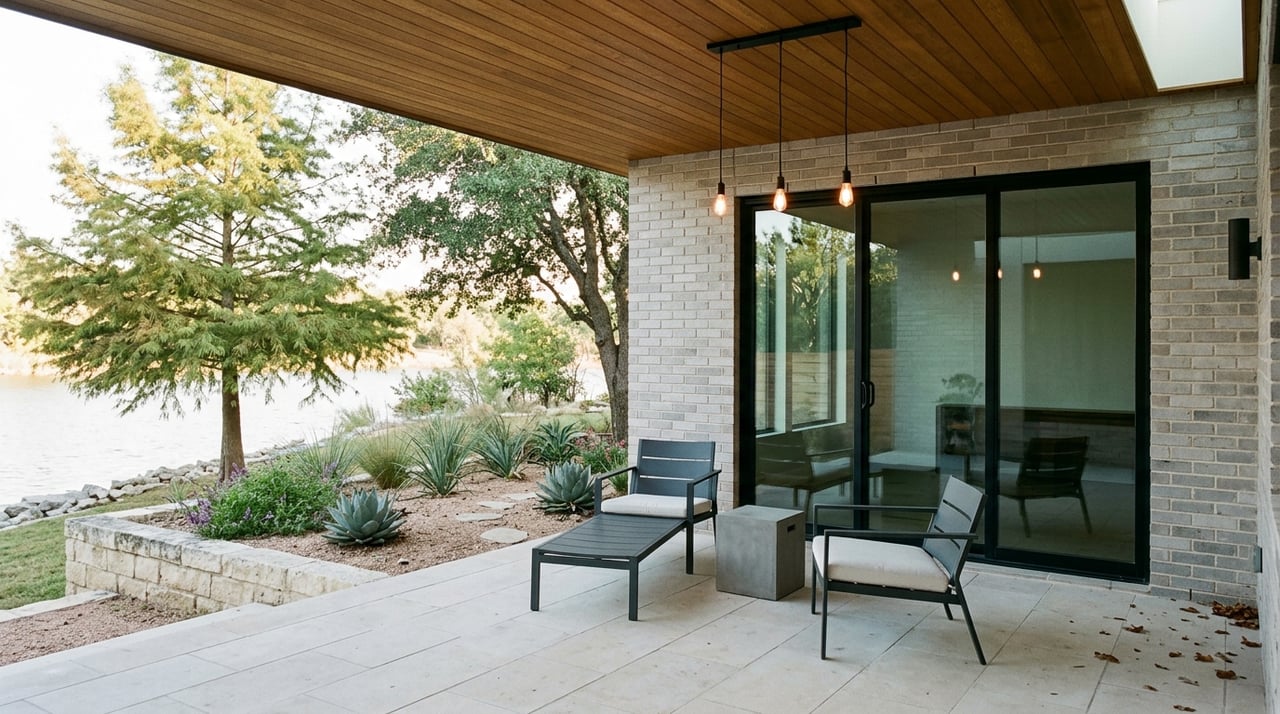
Dreaming about a place near the water in Concho County? Lake-adjacent property can offer room to spread out, easier access to fishing and boating, and a weekend retreat that feels a world away from town. But not every tract near O.H. Ivie lives the same way, and the details matter more than many buyers expect. If you are considering buying near the lake, this guide will help you think through access, usability, upkeep, and long-term value before you make a move. Let’s dive in.
Why O.H. Ivie Shapes Lake Ownership
In Concho County, most lake-adjacent ownership conversations point back to O.H. Ivie Reservoir. According to Texas Parks and Wildlife, the reservoir sits on the Colorado and Concho Rivers in Concho, Coleman, and Runnels counties, covers 19,149 acres, reaches a maximum depth of 119 feet, and has 142 miles of shoreline. The same source notes that lake levels can fluctuate 6 to 10 feet annually.
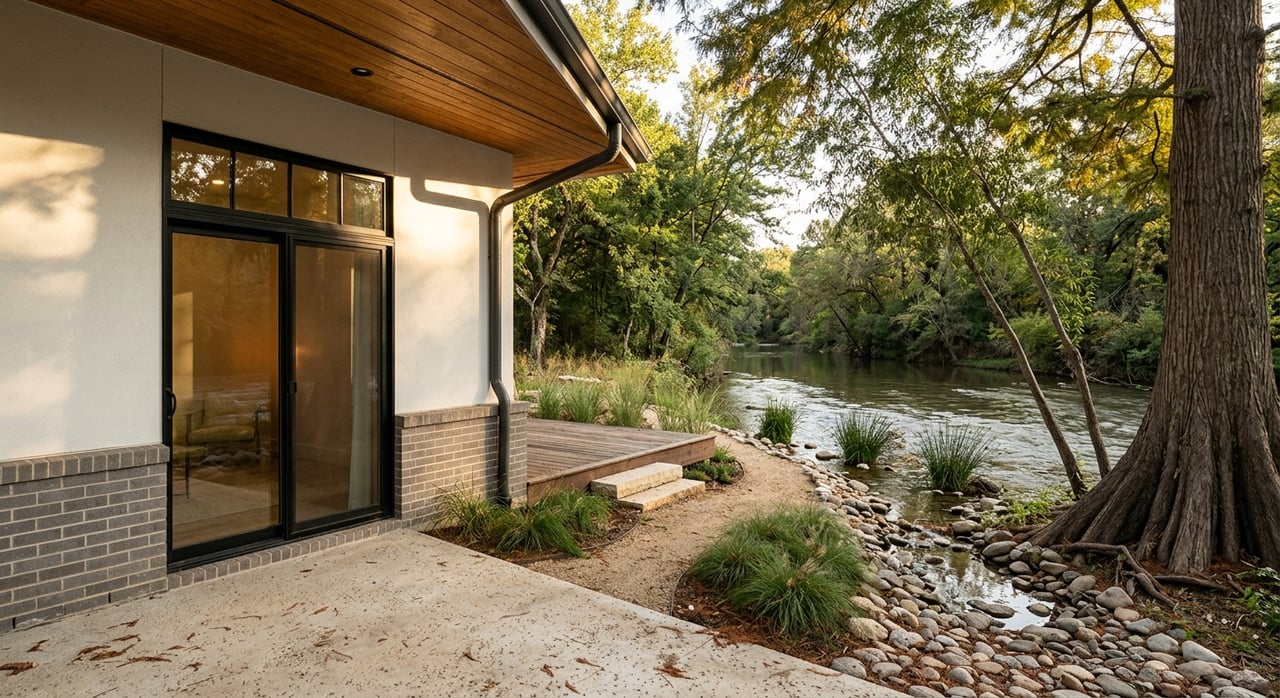
That matters because a property “near the lake” can mean very different things in daily life. One tract may offer a practical launch point for fishing weekends, while another may feel more seasonal depending on shoreline shape, water level changes, and where it sits along the reservoir. If you are shopping in this area, it helps to think beyond the map pin and picture how the property functions month to month.
Lake-Adjacent Does Not Mean Lake-Equal
A big mistake buyers make is assuming every lake-area parcel offers the same experience. At O.H. Ivie, the size of the reservoir, its different river arms, and normal water fluctuations can all change how a tract looks and feels over time. A property that seems close to the water during one visit may interact with the shoreline differently in another season.
Texas Parks and Wildlife also notes that the main lake and Concho arm are usually clear, while the Colorado arm is turbid. That may affect how you feel about the setting, especially if you plan to spend time boating, fishing, or simply enjoying the view. It is one more reason to evaluate a parcel based on its exact location, not just its general proximity to the reservoir.
Public Access vs Private Access
One of the most important questions to ask is simple: How do you actually reach the water? Owning land near O.H. Ivie does not automatically mean you have direct private access to the shoreline or a private place to launch a boat.
Texas Parks and Wildlife’s lake access information says O.H. Ivie has three public recreation areas open year-round with concrete boat ramps, camping, picnicking, and large parking areas. The same page shows that amenities vary by location, with some access points offering restrooms, fish-cleaning stations, courtesy docks, live bait, weigh stations, boat gas, and camping.
For you as a buyer, that creates a useful distinction. Some owners may rely on nearby public recreation areas for boat launching and day use, while others may prioritize land with a more direct relationship to the shoreline. Before you buy, ask about:
- Deeded access
- Easements
- Road access to the parcel
- Road maintenance responsibility
- Whether access is seasonal or consistent
- How far the nearest public ramp is from the property
Lot Layout and Future Plans Matter
Lake-area acreage is not just about scenery. It is also about what the parcel can support now and later. If you want a single homesite, your checklist may look different than if you hope to divide the land in the future.
Concho County’s subdivision regulations, adopted August 9, 2022, state that land outside municipalities divided into two or more parts to create lots or streets generally requires a plat, with exemptions listed in the rules. The county says the purpose is orderly development with adequate streets, drainage facilities, and sewage facilities.
That means future flexibility is not something to assume. If you are buying with the idea of splitting the property later, building more than one homesite, or creating a family compound over time, you will want to review those rules early. It is much better to confirm what is possible before closing than to discover limits after you own it.
Utilities and Septic Need Close Review
In rural property purchases, utility questions can shape both cost and convenience. A beautiful tract near the lake may still require more planning than a buyer expects if utility reach is limited or if wastewater service depends on an on-site system.
The Texas Commission on Environmental Quality explains that on-site sewage facilities are common in rural Texas housing. TCEQ also says site evaluations determine local conditions, and almost all OSSFs need a permit before construction, installation, repair, extension, or alteration.
For you, that makes septic one of the biggest due-diligence items on lake-adjacent acreage. If a home is already on the property, ask about the system’s age, condition, location, and service history. If you are planning to build, you will want to understand where a system could go and what local permitting may require.
How Rural Land Value Can Differ
Two tracts near the same lake can have very different values and carrying costs. That is especially true in a rural county where access, terrain, and utility reach can vary a lot from parcel to parcel.
Concho CAD states in its reappraisal plan that rural land is acreage outside the towns of Concho County that is not developed into residential tracts. The district also notes that value can be affected by tract size, the mix of pasture and cultivated land, hunting quality, scenic views, proximity to utilities, road type, and potential flooding.
That list is helpful because it reflects real-world lake-area decision-making. A parcel with attractive views but limited utility access may perform differently than one with easier infrastructure but less dramatic terrain. If the property qualifies for agricultural use value, that may also affect how you evaluate ownership costs over time.
Seasonal Use and Weekend Ownership
Many buyers are drawn to O.H. Ivie because they first experienced it as a recreation destination. The reservoir serves both as a water-supply reservoir and a place for outdoor use, and the Colorado River Municipal Water District recreation page lists parks, camping, RV hookups, and other visitor amenities.
For second-home buyers or weekend users, that can be a major plus. You may not need a property that does everything if nearby public amenities already support the way you plan to use the lake. At the same time, a weekend place still needs practical infrastructure, reliable access, and manageable upkeep.
Fishing is a major part of the local draw. Texas Parks and Wildlife lists largemouth bass, smallmouth bass, white bass, crappie, catfish, and sunfish among the primary species at O.H. Ivie, with several rated as good fishing opportunities. If your vision includes early mornings on the water and simple evenings back at the property, that recreational appeal may be a key part of what makes ownership worth it.
Natural Shoreline Means Natural Upkeep
O.H. Ivie is not a highly manicured subdivision-style lake. Texas Parks and Wildlife describes standing timber, flooded mesquite, oak, juniper, saltcedar, aquatic vegetation, rock structure in the main lake, and mud flats in the river arms.
For you as an owner, that can be part of the appeal. It also means upkeep may involve more than mowing a yard. Depending on the property, you may need to think about vegetation management, shoreline usability, and how changing water levels affect your access and enjoyment over time.
Boat Rules and Zebra Mussels
If you plan to keep a boat at the property or move between lakes, pay attention to invasive species rules. Texas Parks and Wildlife warns that zebra mussels have invaded O.H. Ivie and says boaters must clean, drain, and dry boats and gear. The agency also notes that draining water is required by law.
This is not just a visitor issue. It becomes part of ownership if boating is central to how you plan to use the property. A good lake setup includes storage, cleaning habits, and a clear routine for handling equipment responsibly.
Flood Risk and Insurance Questions
Flood questions should always be part of your review when you are buying near water. Even if a property is not in a high-risk flood zone, that does not mean flood insurance is irrelevant.
FEMA’s homeowner flood guidance says flood insurance is available even outside high-risk flood zones, and most homeowners policies do not cover flood damage. FEMA also advises property owners to contact the local floodplain administrator before making changes to a home.
In practical terms, you will want to understand how the parcel sits, whether any portion may be more exposed, and how insurance costs could affect your budget. That review is especially important if you are comparing multiple properties that look similar at first glance.
A Smart Due-Diligence Checklist
When you look at lake-adjacent property in Concho County, try to evaluate it through the lens of everyday ownership, not just first impressions. A strong checklist can keep you focused on the items that matter most.
Before you buy, consider asking about:
- Exact access to shoreline or public ramps
- Easements and recorded access rights
- Road type and maintenance responsibility
- Utility availability and distance
- Septic condition or OSSF feasibility
- Flood exposure and insurance options
- Shoreline changes tied to water-level fluctuation
- Current tax treatment, including any agricultural use value
- Whether future division of the land is realistic under county rules
Why Local Guidance Helps
Lake-adjacent property can be rewarding, but it asks more from buyers than a standard in-town home search. You are often weighing land features, access, infrastructure, recreational use, and long-term ownership costs all at once.
That is where local, practical guidance matters. If you want help evaluating a lake-area home, weekend place, or tract near O.H. Ivie, Roy Zesch can help you sort through the details, compare options, and move forward with more confidence and less stress.
FAQs
What should you check before buying lake-adjacent property in Concho County?
- Focus on access, easements, road maintenance, utilities, septic, flood exposure, shoreline usability, and whether the parcel fits your long-term plans.
Does lake-adjacent land at O.H. Ivie always include private water access?
- No. Some properties may rely on nearby public recreation areas and boat ramps, so you should confirm whether access is deeded, direct, shared, or public only.
How much does O.H. Ivie water level change during the year?
- Texas Parks and Wildlife says O.H. Ivie typically fluctuates 6 to 10 feet annually, which can affect shoreline usability and day-to-day access.
Are septic systems common for rural homes near O.H. Ivie Reservoir?
- Yes. TCEQ says on-site sewage facilities are common in rural Texas, and most require permitting before construction, installation, repair, extension, or alteration.
Can flood insurance still matter for lake-area property in Concho County?
- Yes. FEMA says flood insurance is available even outside high-risk flood zones, and most homeowners policies do not cover flood damage.