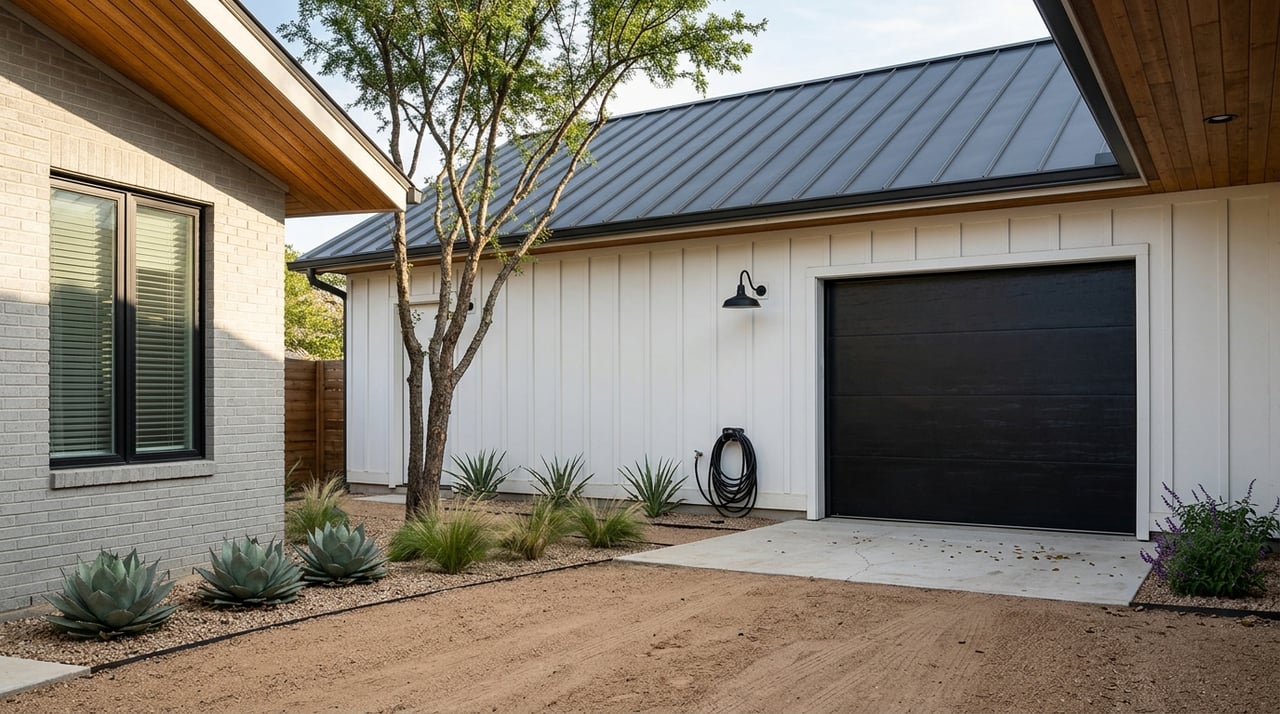
If you are thinking about selling in Christoval, getting market-ready means more than wiping down counters and mowing the yard. Buyers in the 76935 area are often looking at a home and the land around it, which means they are paying attention to everything from the entry drive to the fences, outbuildings, water systems, and overall upkeep. With the right prep, you can make your property easier to understand, easier to tour, and more appealing online before a buyer ever sets foot on it. Let’s dive in.
Why market-ready looks different in Christoval
Christoval sits about 20 miles south of San Angelo, and many sellers in the area are bringing a rural home or small acreage property to market rather than a typical subdivision listing. According to the Texas State Historical Association’s overview of Christoval, that local setting matters because buyers are often evaluating lifestyle and land use along with the home itself.
That is important in a small-ranch market. Texas A&M rural land research notes that small rural tracts often sell at a higher price per acre than larger properties because improvements like roads, barns, tanks, and homes are spread over fewer acres. In plain terms, the way your improvements and land present can have an outsized impact.
Start with the full first impression
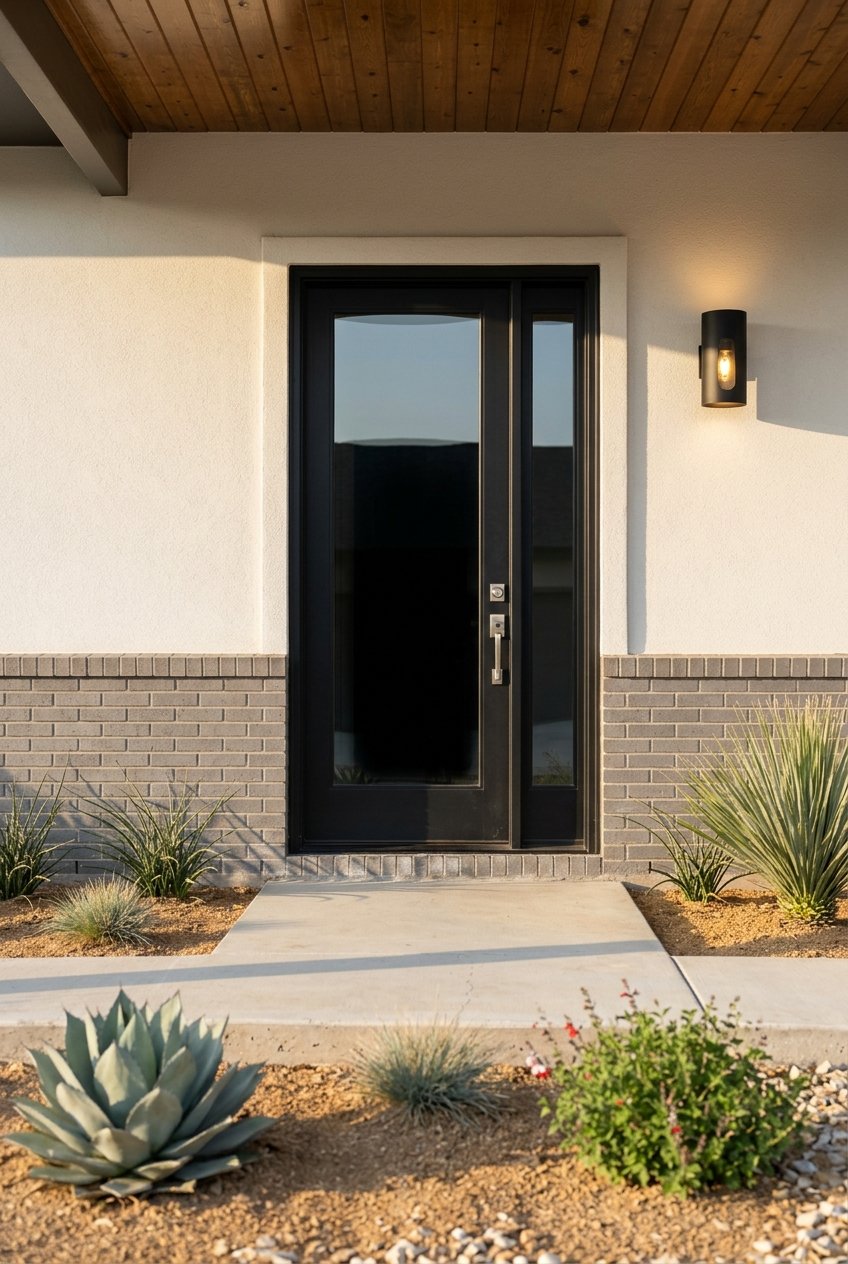
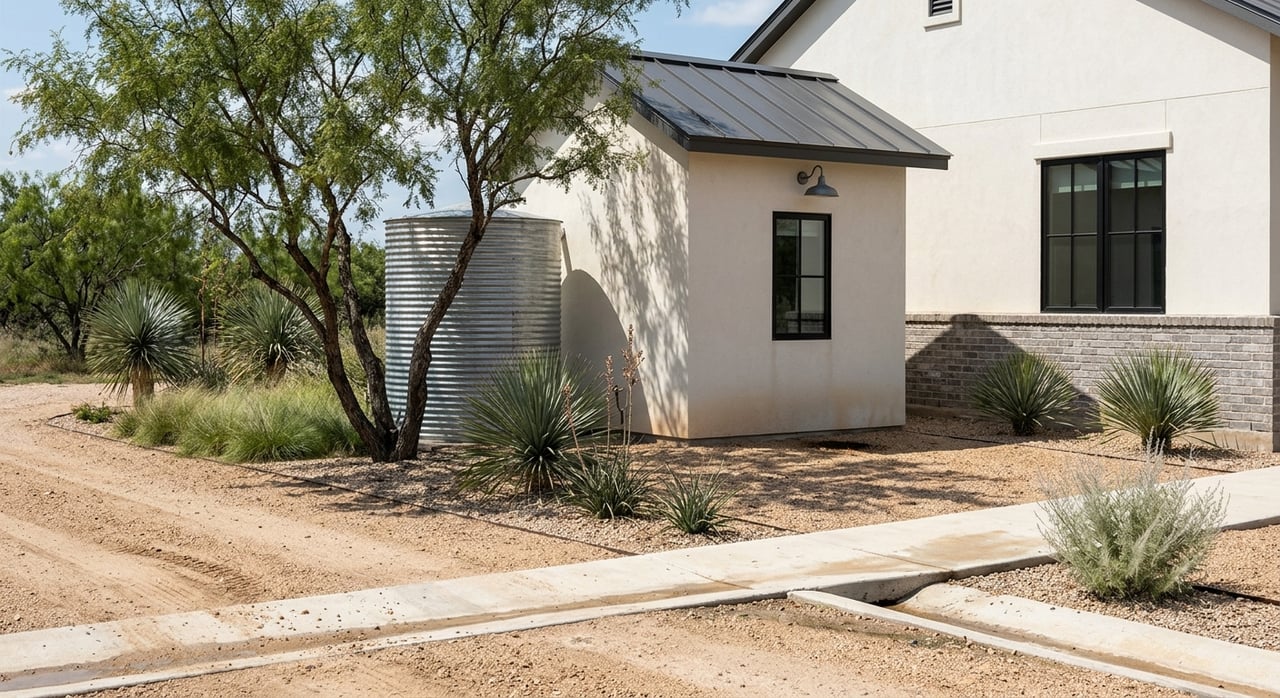
For Christoval sellers, first impressions start before a buyer reaches the front door. The road approach, gate, fencing, driveway condition, and visible upkeep all help tell the story of how the property has been maintained.
The house still matters, of course. But on a small ranch or rural homesite, buyers are also noticing the barn, pens, equipment areas, and pasture edges. If those spaces look orderly and functional, the whole property tends to feel more cared for.
Improve curb appeal affordably
The good news is that basic cleanup often goes a long way. In a National Association of Realtors staging example, simple exterior updates like mowing, edging, weeding, power-washing walkways, mulching beds, and refreshing the front door were highlighted as smart prep steps.
For a Christoval home or small ranch, focus on:
- Mowing and trimming around the house and drive
- Weeding and mulching visible beds
- Power-washing walks, porches, and entry areas
- Touching up paint on the front door or main trim
- Straightening gates and checking fence lines near key viewing areas
- Cleaning up barn fronts, pens, and equipment yards
- Removing scrap piles, unused materials, and general debris
Make the inside feel clean and easy to picture
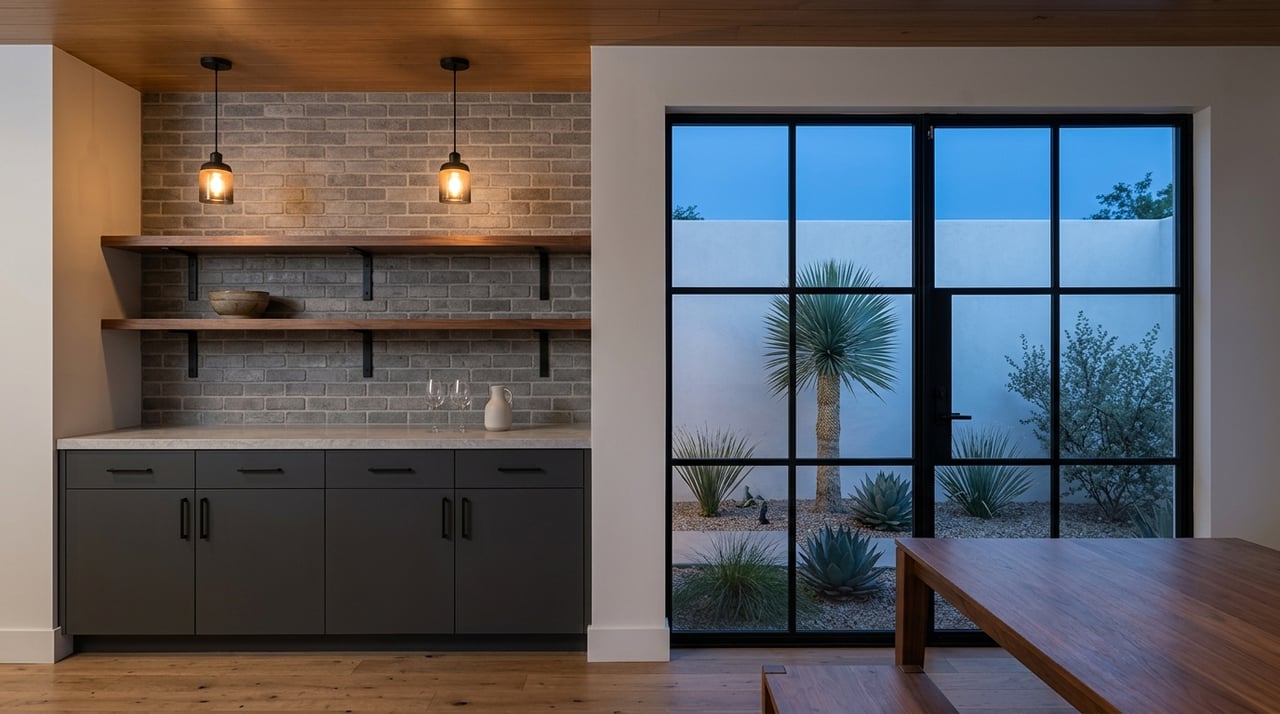
Inside the home, your goal is not to create a perfect magazine spread. Your goal is to help buyers picture how the space lives and to remove distractions that pull attention away from the property itself.
According to the NAR 2025 home staging snapshot, 83% of buyers’ agents said staging made it easier for buyers to visualize the property as a future home. That matters because a buyer who can picture living there is more likely to stay engaged.
Focus on decluttering, not remodeling
Before listing, simplify each room as much as possible. That usually means taking down personal photos, reducing furniture where rooms feel crowded, and putting away items that make everyday life look visually busy.
NAR’s staging guidance also emphasizes neutral colors, fewer personal items, and a lighter, brighter feel. In most cases, that means the best pre-listing work is:
- Decluttering countertops, shelves, and closets
- Depersonalizing decor
- Neutralizing strong paint colors where practical
- Fixing the most noticeable wear and tear
- Deep cleaning floors, bathrooms, kitchens, and windows
- Replacing burnt-out bulbs and dim lighting
If you are deciding where to spend money, visible maintenance usually matters more than major upgrades. Clean, simple, and well-kept tends to outperform half-finished projects or overly personalized spaces.
Handle rural systems early
One of the biggest differences between a Christoval-area property and a more typical in-town listing is the amount of system information buyers may expect. If your home has private utilities or land features, gathering records early can save time and reduce stress later.
Gather septic and well records
The EPA’s septic guidance notes that rural homes are often served by septic systems, and private wells should be tested annually. The agency also advises regular septic inspection and pumping as needed.
If your property has a septic system or private well, it is smart to gather:
- Service or pumping records
- Inspection records if available
- Well test information
- Basic notes on system location and operation
- Any manuals, permits, or repair invoices you still have
Address abandoned wells before listing
If there are abandoned or unused wells on the property, do not leave that question hanging. The Texas Department of Licensing and Regulation states that the landowner of record is responsible for plugging the well or bringing it into compliance.
That is the kind of issue buyers will ask about, especially on acreage. Taking care of it early can help avoid last-minute delays or concerns about safety and transferability.
Prepare required disclosures
Paperwork matters just as much as cleanup. Texas REALTORS guidance says the seller’s disclosure notice is typically completed at the time of listing and updated if the seller later learns of a defect or if conditions change.
The Texas REALTORS disclosure chart also notes a few property-specific items sellers should watch for, including lead-based paint disclosure requirements for homes built before 1978 and forms related to on-site sewer facilities. Missing required disclosures can create problems later, so this is an area where being organized pays off.
Show the home and the land online
Most buyers start online, and your listing media has to do more than just look good. It needs to answer questions quickly and help buyers decide whether the property is worth seeing in person.
According to NAR buyer search data, buyers heavily rely on the internet during their search, and the most useful content includes photos, detailed property information, and floor plans. For a Christoval listing, that means your online presentation needs to explain the house and the acreage clearly.
Include the right visuals
The Realtors Land Institute’s land listing guidance recommends including a property map, photos of structures, long-distance shots, water sources, video or drone tours, 360 tours, and the unique aspects of the land. That is especially helpful for small ranch listings where buyers want to understand the layout before they visit.
Your media should usually show:
- The approach from the road
- The front and rear of the home
- Main living spaces and room flow
- Usable acreage and open areas
- Fences, gates, barns, pens, and outbuildings
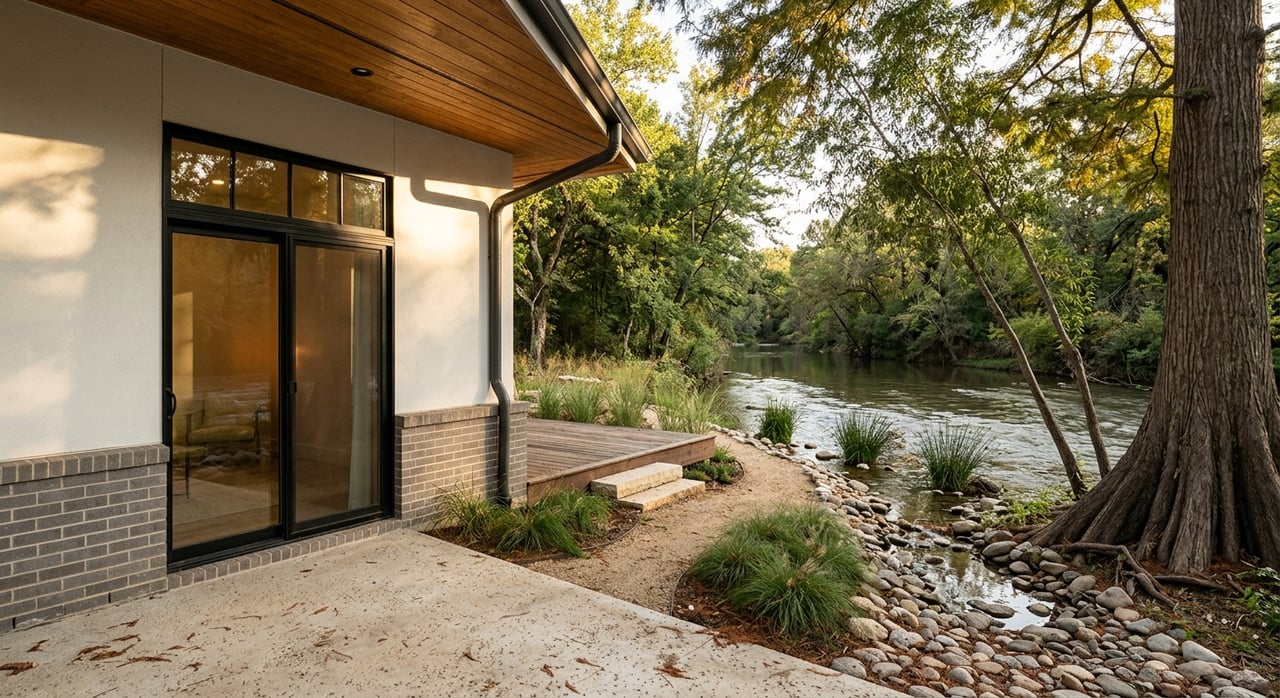
- Water features or water access points
- Shade trees, pasture condition, and scenic views
Use video and virtual tours strategically
Virtual tools can answer layout questions before a showing is scheduled. NAR’s virtual tour guidance notes that virtual tours help buyers understand how spaces connect, which is especially useful for out-of-area buyers trying to narrow down options.
If you use drone footage, make sure it is done properly. The FAA requires commercial drone operators to hold a Remote Pilot Certificate under Part 107, so aerial photography should be handled by a compliant professional.
Build a realistic prep timeline
Many sellers wait too long to start and end up rushing the work that buyers notice most. A better approach is to spread the prep out so the final weeks can focus on presentation instead of scrambling.
8 to 12 weeks before listing
Use this stage to identify anything that could slow a sale later. This is a good time to gather disclosures, locate survey information, pull together septic and well records, and make note of easements, permits, or fence questions.
It is also the right window to look at bigger repairs and maintenance items. If something needs more time or coordination, you want to know now, not the week before photos.
4 to 6 weeks before listing
This is the cleanup and repair phase. Tackle deferred maintenance, paint touch-ups, broken fixtures, brush trimming, debris removal, and exterior presentation.
If wildfire exposure is a concern, this is also the time to improve defensible space around the home by clearing combustible debris and keeping the immediate area around the structure maintained.
2 to 3 weeks before listing
Now shift to decluttering, deep cleaning, and staging. Once the property is in strong condition, schedule photography, video, and any drone work so the media captures the best version of the property.
This order matters. Your listing photos should reflect the finished prep, not a property that still looks halfway done.
Final week before going live
In the final stretch, keep it simple and detail-focused. Re-mow, sweep the porch and walkways, check light bulbs, and do a final walkthrough to spot anything distracting in photos or showings.
Make sure your disclosures are current and ready to go before the property hits the market. Last-minute details are often the easiest to miss and the most frustrating to fix under pressure.
What repairs are usually worth it
In most cases, the best pre-listing repairs are the ones buyers will notice right away. Think broken latches, damaged trim, leaking fixtures, stained caulk, missing bulbs, sagging gates, or obvious deferred maintenance.
What you usually do not need is a full remodel. A clean, working, well-maintained property with clear documentation often does more for buyer confidence than expensive upgrades that do not match the market.
The bottom line for Christoval sellers
In Christoval, market-ready means showing buyers that the home has been cared for, the land has been maintained, and the details are organized. When your property looks clean, functions well, and is presented clearly online, buyers have an easier time understanding what they are getting.
That kind of clarity matters in a small-ranch market where improvements, land features, and rural systems all shape value. If you want practical guidance on pricing, preparation, and visual marketing for your property, connect with Roy Zesch for a local, low-stress plan to get your home or small ranch ready for the market.
FAQs
What repairs should you make before listing a Christoval home or small ranch?
- Focus first on visible maintenance, safety issues, and basic function, such as paint touch-ups, broken fixtures, gate and fence repairs, deep cleaning, and exterior cleanup.
What records should you have ready for a Christoval rural property sale?
- Gather seller disclosures, septic records, well information, survey documents if available, and any permits, manuals, or repair records tied to the property.
How much land should be shown in Christoval listing photos?
- Your photos and video should show both the home and the usable land, including the approach, open acreage, fences, gates, outbuildings, water features, and other key property improvements.
When should you start preparing a Christoval property for sale?
- If possible, start several months ahead so you have time for repairs, records, cleanup, and marketing preparation without rushing the final weeks.
Why do professional photos and video matter for a Christoval listing?
- Buyers often begin online, and strong visual marketing helps them understand the layout, land features, and overall condition before deciding to schedule a visit.